Cost and Pricing Guide for Emergency Dentist Visits for Abscess Treatment
When a tooth abscess flares up, the cost question usually comes right after the pain question. People want relief, but they also want clarity. I’ve sat with patients who can barely focus because the throbbing is relentless, yet they still ask the same practical thing: “What will the emergency dentist charge, and why is it different from one office to another?”
Emergency dental pricing can feel confusing because abscess treatment is not a single “one size fits all” service. The final dental abscess treatment price depends on where the infection is, how far it has spread, what procedures are needed that day, and whether imaging or after-hours care is involved.
Below is a grounded guide to help you understand emergency dentist abscess cost in a realistic way, what typically drives urgent dental care pricing, and how to talk to an office without feeling rushed.
What emergency dentists actually price during abscess treatment
Abscess care often starts with triage and evaluation, then moves quickly to definitive treatment. The office may need to assess your airway risk, check how swollen you are, and determine whether antibiotics alone will work or whether drainage is necessary.
The most important pricing reality: many “emergency” appointments bundle several steps that feel separate from the outside. You might think you’re paying for one procedure, but the bill can reflect multiple components.
A typical pricing structure can include:
- Exam and emergency evaluation fee (especially for after-hours visits)
- Dental X-rays or other imaging to locate the source tooth and assess spread
- Treatment planning and consent
- If needed, drainage of the abscess (often the key step for pressure and pain)
- Procedures on the tooth, such as cleaning, a root canal, or preparing for extraction
- Medications (commonly antibiotics and pain relief)
- Follow-up steps, which may be billed separately depending on the office and your coverage
Even if your appointment starts as an emergency dentist for abscess situation, the work may shift depending on what the dentist sees. If you walk in with a swollen face, limited mouth opening, or fever, urgency increases, and so can the cost of the visit because the office may treat it as higher risk.
A quick lived-experience example
One patient I saw came in late in the evening with a localized abscess on a lower molar. They expected “just antibiotics.” After the exam and an X-ray, the dentist found a pocket of pus that needed drainage for pain relief. The appointment cost reflected both the emergency evaluation and the actual drainage step. The antibiotics were helpful, but they weren’t the whole answer.
That pattern is common. Antibiotics can reduce symptoms, but the infection often needs a path out, and the tooth may need definitive care soon after.
Emergency dentist abscess cost: what changes the number
It’s tempting to look for a single emergency dentist abscess cost figure, but the truth is that pricing moves based on a few consistent factors. When you understand those factors, you can better estimate your own likely range and avoid surprises.
1) Your location and the time of day
After-hours care and weekend visits can cost more because staffing and overhead are different. Even within the same city, pricing can vary by office model, demand, and how they handle emergency scheduling.
2) The procedure needed, not just the diagnosis
Two people can both have “an abscess,” but one may need drainage and a root canal referral, while another needs immediate tooth removal. Dental https://emergencydentistmaidenhead.co.uk abscess treatment price often tracks the complexity and chair time.
3) Imaging and whether it changes the plan
X-rays are common in emergency evaluations. If an office needs more detailed imaging, that can increase the bill. The good news is imaging is not there to pad the cost. It helps the dentist decide whether the infection is localized or more extensive.
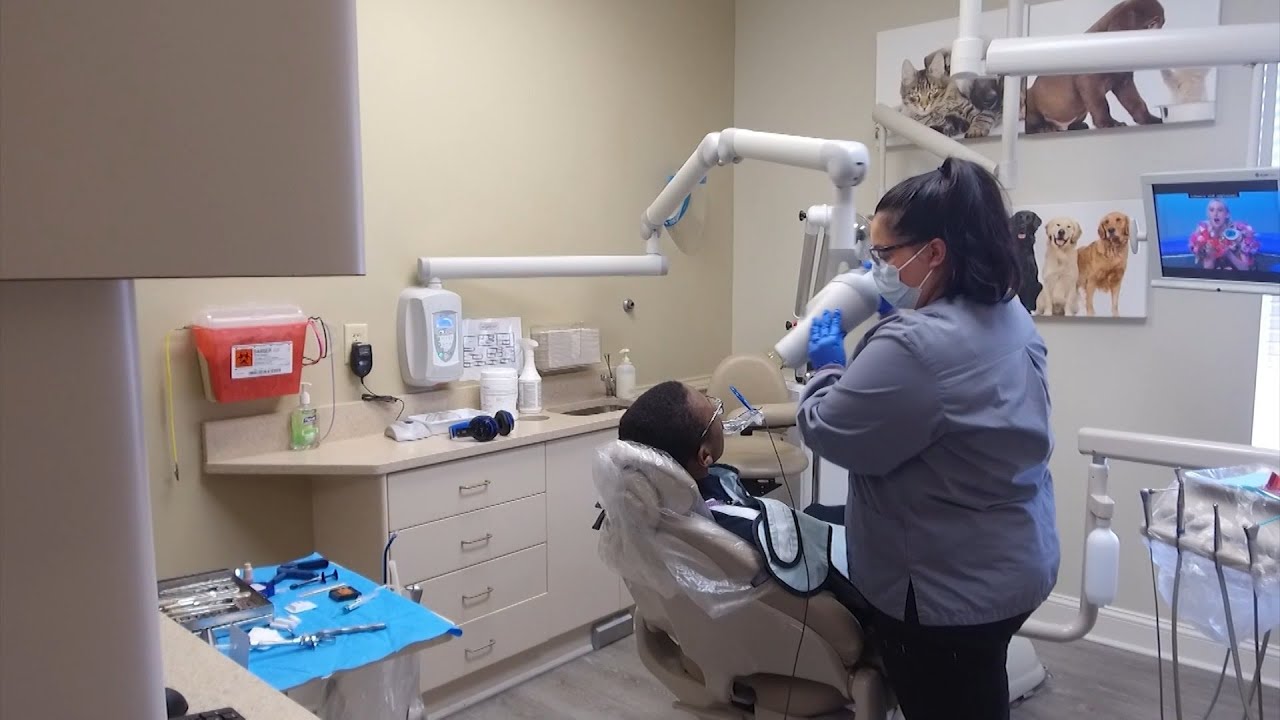
4) Antibiotics and pain control plans
Medications can change the final invoice. Some offices prescribe antibiotics based on how swollen and systemically ill the patient appears. Pain medication plans also vary, especially if someone has sensitivities or other medical considerations.
5) Insurance and how the office structures billing
Your coverage can reduce your out-of-pocket cost, but only if the office bills in-network and you have the right benefits active. If you have a dental plan, ask what category your treatment will fall under before you agree to the full plan.
If you’re trying to budget for affordable abscess dental emergency care, your best lever is often choice of next steps after the initial stabilization. Many offices treat the emergency first, then map out a lower-cost follow-up pathway if you need time to arrange care.
Typical pricing components to ask about (and how to ask without pressure)
If you call around, you may notice offices quote differently. Some quote a “minimum visit” amount, others describe what’s included, and a few will only estimate after they review your situation.
The most useful approach is to ask for itemized or step-by-step pricing. You don’t need to argue for the cheapest option. You need to know what you’re being charged for and what happens if symptoms change.
Here are practical questions that help you get clarity fast:
- “Is the emergency exam a separate fee, and what does it include?”
- “Will you take X-rays during the visit? If yes, is imaging billed separately?”
- “If there’s a drainable abscess, what is the cost for drainage today?”
- “Do you charge separately for antibiotics and pain medication, or are they included?”
- “What is the expected cost for the next step, like root canal or extraction, if needed?”
What to expect at the appointment
On the day you’re seen, the dentist will usually focus first on stabilization, infection control, and pain relief. The emergency dental visit can end with a treatment plan for definitive care, but that plan might be completed at the same time or scheduled soon after.
This is where dental care costs can surprise people. The appointment might include a “do what we must today” approach, then a second visit for definitive restoration or ongoing treatment. That can be a responsible way to manage urgent pain and infection without overspending in one sitting, but you still deserve a clear estimate.
For urgent dental care pricing, your documentation matters too. If you have photos of swelling progression, a list of allergies, and a note about how long the pain has been going on, it helps the clinical team move quickly and can reduce the need for extra visits.
Affordable options without sacrificing safety
When you’re in pain, it’s hard to think clearly. But affordability and safety are not opposites in emergency dental care, as long as you’re strategic about what gets prioritized first.
A common misconception is that “affordable” means delaying drainage or under-treating an infection. In real-world abscess care, delaying the right step can make the problem worse, which often increases both discomfort and costs later.
What you can do instead is ask for a staged plan.
- If the abscess needs drainage for immediate relief, prioritize that step first.
- If definitive tooth treatment is required, ask for realistic timelines and cost tiers for root canal versus extraction, based on your tooth’s prognosis.
- If you have insurance, confirm what will be billed to your plan and what your portion is expected to be.
- If you do not have insurance, ask whether the office offers payment plans or discounted rates for uninsured patients.
Also consider where you go for care. Some offices are set up for emergency dentistry, others handle emergencies as a smaller part of their schedule. The right setting can reduce wait times, which matters when pain escalates.
The key is communication. A good emergency dentist will explain why a particular step is necessary and what the alternatives are. If the office can’t provide at least a rough estimate of the immediate costs and the next steps, that’s a signal to ask more questions or seek a second opinion if time allows.
When the bill changes: red flags that can affect cost
Abscess severity isn’t just about pain intensity. It can influence the urgency of the response and the complexity of care. If you wait until the swelling spreads or you develop fever, pricing may shift because treatment may become more involved.
Clinically, the dentist might need to escalate care if you have signs that the infection is moving beyond a single tooth area. That could mean more aggressive drainage steps, additional evaluation, or close follow-up.
If you’re already worried about emergency dentist for abscess costs, still take safety seriously. In a true escalation, the “cheapest” approach can become the most expensive because complications often add visits and procedures.
If you’re choosing between getting care quickly versus holding off to shop prices, think in terms of totals across time. A prompt emergency visit that stabilizes the infection can prevent additional appointments, which is usually the most budget-friendly path in the long run.
If you want the smoothest experience, gather your basics before you call or arrive: your dental insurance details if you have them, a list of medications and allergies, and a quick note on your symptoms. Then ask for clear, item-based estimates tied to the procedures likely to be needed that day. That is how you get control over the emergency dentist abscess cost, even when you can’t control the pain.